Email Marketing Expert E-books in 2025: The Essential Guides for Digital Mastery
Introduction
In 2025, email marketing remains one of the most powerful digital channels for brands, entrepreneurs and marketing experts. But the landscape has evolved: AI-powered tools, hyper-personalisation, privacy concerns, interactive content, zero-click searches, answer engines and generative search are shaping what works (and what doesn’t). For anyone serious about mastering email marketing, expert e-books have become indispensable: condensed, up-to-date resources that offer both theory and hands-on tactics.
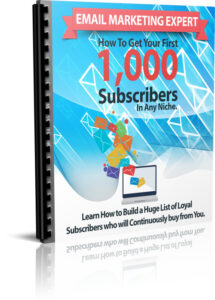

This article explores:
What to expect in top email marketing expert e-books in 2025;
The key trends shaping email marketing now;
How to choose the best e-book for your level (beginner, intermediate, advanced);
Selected must-read expert e-books;
Tips for integrating what you learn into your email campaigns;
How to ensure your email marketing is SEO-friendly, AEO-aware, conversion-driven.
Key Trends in Email Marketing in 2025
Before selecting e-books, it helps to know what’s trending. Many of the best expert e-books reflect, teach or anticipate these trends. If your learning aligns with these, you’ll be better placed to apply strategies that are future-proof.
AI & Machine Learning
From predictive analytics to automated subject line optimisation, AI is deeply embedded in email marketing. Expert authors are including chapters or sections on how to harness machine learning for segmentation, send-time optimisation, content prediction, etc. Mailercloud+1Hyper-Personalisation & Behavioural Triggering
Beyond “Dear [FirstName]”, modern email campaigns adapt content dynamically based on user behaviour, previous interactions, demographic & psychographic data. Triggered emails (abandoned carts, re-engagement etc.) and real-time content are major focus areas. Mailercloud+1Interactive Emails & Engagement Tools
Gamification, polls, sliders, embedded content (video, quizzes) inside emails, or email components that respond to user input. These boost dwell time, increase click-through, improve the user signals that search engines or platforms may measure (if indirectly). Mailercloud+1Privacy, Compliance & Trust
GDPR, CCPA, other privacy regulations, deliverability concerns, preference centres, opt-in/opt-out rules. Also, transparency, data security and user trust have become non-negotiable. Expert e-books often contain sections on how to comply while still conducting effective campaigns. MailercloudAnswer Engines, Generative Search & AEO (Answer Engine Optimisation)
The rise of generative AI, search generative experiences (SGE), answer engines means content that answers questions succinctly, structured so AI can surface it, has value. Email marketing e-books in 2025 often address how to align email content (headlines, subject lines, content snippets) with what users are asking and what AI/answer engines might prioritise. Also how email content can feed into blog content or FAQs that boost organic visibility. TheeDigital+1Mobile & Multi-Device Design
With more users reading emails on mobile, responsive design, fast loading (lightweight images, optimized HTML), mobile-friendly CTAs are essential. E-books that ignore mobile often become less actionable.Analytics, Metrics & ROI Focus
Engagement rate, open rate, click-through rate, conversion, deliverability, subscriber churn. Also using A/B testing, cohort analysis. E-books now include more case studies, real data, techniques for measuring what matters.Visual & Multimedia Integration
Use of video thumbnails, GIFs, image optimisation, even integrating interactive or rich media. Also ensuring performance and accessibility (alt text, lightweight files).
Knowing these trends helps you judge whether a particular e-book will be relevant, actionable and future-proof.
What to Look for in a High-Quality Email Marketing Expert E-book
When browsing expert e-books, here are criteria to evaluate:
| Feature | Why It Matters |
|---|---|
| Recent Publication / Updated Edition | Ensures content is aligned with current tools, regulations, deliverability standards and digital trends. An old guide may teach outdated practices. |
| Author Expertise & Case Studies | Real-world experience, concrete examples show what’s proven to work. Helps with credibility, learning from successes & failures. |
| Actionable Advice | Templates, checklists, email series, subject line ideas, workflows. You want more than theory. |
| Clarity & Usability | Clear structure, easy language, good navigation (contents, index), summaries or key takeaways. |
| Focus on Strategy + Tactics | Strategy (why you do something) + tactics (how you do it). Both are important. |
| Coverage of Tools & Automation | ESPs (MailChimp, Klaviyo, Brevo, etc.), automation, integrations, APIs. Emails seldom work in isolation. |
| SEO / AEO Awareness | Because email content often interacts with website content (blogs, landing pages), the e-book should mention how to optimise content not only for email readers but also for search and answer engines. |
| Design & Deliverability Best Practices | HTML structure, mobile responsiveness, image optimisation, avoiding spam triggers, etc. |
Selected Must-Read Email Marketing Expert E-books for 2025
Here are some of the strongest e-books and books (print or digital) that many experts are recommending for 2025. They cover various skill levels.
| Title & Author | Level | Stand-out Features & Why It’s Useful |
|---|---|---|
| Email Marketing Mastery by Tom Corson-Knowles | Beginner / Intermediate | Clear introduction to list building, autoresponders, conversion optimisation, metrics. Great if you are building or revamping a foundation. Mailmodo |
| Ultimate Guide to Email Marketing for Business by Susan Gunelius | Intermediate | Covers segmentation, personalisation, automation, conversion funnels. More strategic, helps small businesses scale. Mailmodo |
| E-mail Marketing For Dummies by John Arnold | Beginner | Very accessible, step-by-step, especially good if you’re just starting or training a team member. Mailmodo |
| The New Email Revolution by Robert W. Bly | Intermediate / Advanced | Delivers fresh thinking, copywriting techniques, modern strategies in line with today’s audience expectations. Mailmodo |
| Email Persuasion by Ian Brodie | Intermediate / Advanced | Focus on psychology, persuasion, crafting emails that convert. Useful if you want to boost conversion, not just engagement. Mailmodo |
| Email Marketing Rules by Chad S. White | Advanced | A rule-book style resource: what works, what doesn’t, regulations, deliverability, best practices. |
| The Email Lifeline by Anik Singal | Intermediate / Advanced | Emphasis on revenue, automation, funnels, making email central to business growth. |
| Email Marketing Demystified by Matthew Paulson | Beginner / Intermediate | Useful for those who want a full roadmap, with simplified guidance and practical implementation. |
Structuring Your Learning with E-books
To get the most from whatever expert e-books you pick, follow this learning path:
Baseline Assessment
Review your current email marketing setup: list size, segmentation, tools, content templates, automation sequences, analytics. Identify gaps.Pick a Foundational E-book
For example, E-mail Marketing For Dummies or Email Marketing Demystified, to consolidate basics: deliverability, list building, design, open rates.Layer Intermediate to Advanced Methods
Once you’re solid, move to books like Email Persuasion, The Email Lifeline, Email Marketing Rules. These teach advanced tactics: dynamic content, predictive personalisation, revenue attribution.Apply in Small Experiments
Don’t try to change everything at once. For example, test 1-2 new subject line formulas; try a triggered email; implement interactivity in one campaign.Measure & Iterate
Use analytics: open rates, click-through, conversion rates. Segment by device, location, demographics. Compare before vs after applying new tactics.Stay Updated
Email marketing (and digital marketing generally) changes. Keep an eye on new editions, recent studies, blog posts, webinars from experts. The best e-books are those updated yearly or re-published with new content.
SEO, AEO & Answer Engines:Why They Matter for Email Marketing
You might ask: “Is SEO relevant to email marketing?” The answer is yes—and increasingly so in 2025. Also, AEO (Answer Engine Optimisation) is significant.
SEO & Email Content: If your email marketing includes newsletters that repurpose blog content, landing pages, ebooks hosted on your site, then how that content ranks in search affects discoverability, traffic and lead generation.
AEO / Answer Engines: As more users turn to AI-powered assistants or answer engines, your content (including email-generated content on your site) is more likely to be surfaced if it’s structured, optimised, clear and directly answering user queries. For example, FAQs, summaries, clear headings help. TheeDigital+2Wikipedia+2
Keywords & Conversational Queries: Voice search, long-tail questions and natural language matter. Subject lines and preheaders could be influenced by what people are asking in search. Also, email content topics may be informed by trending searches. Leadpoint Digital+1
User Experience (UX) & Delivery: Faster load, mobile responsiveness, good design – all help not just email deliverability but also ensure that users who click through from emails to your website stay longer, reducing bounce rate, increasing dwell time, all positive signals for search engines.
Common Mistakes to Avoid
Even with excellent e-books and solid strategy, many fall into traps. Here are common mistakes and how expert e-books help you sidestep them.
| Mistake | Consequence | How Expert E-books Help |
|---|---|---|
| Over-automation without personalisation | Emails feel generic; decreasing engagement & higher unsubscribes | Expert books show how to balance automation with dynamic content, triggered workflows, personal touches. |
| Ignoring mobile optimisation | Poor user experience, broken layouts, lower interaction | Books emphasise responsive design, image optimisation, testing across devices. |
| Not respecting privacy/compliance | Legal risk, spam flags, deliverability issues | Good books include sections on GDPR, data handling, best practices. |
| Focusing too much on open-rate alone | May neglect conversion, content value, revenue | Authoritative works include full funnel measurement: opens, clicks, conversions, revenue attribution. |
| Using out-of-date tools, ignoring AI/Generative Trends | Strategy becomes obsolete or inefficient | Updated e-books cover current tools, best practices, emerging trends. |
How to Choose (and Even Use) an E-book for YOU
Here’s a checklist to help you select and then extract maximum value from an email marketing expert e-book.
Do you need beginner, intermediate or advanced level?
• Beginner: if you’re new, small list, limited tools.
• Intermediate: some experience, want more strategy.
• Advanced: looking for high conversion, complex automations, scaling.Check author credibility
• Have they run campaigns themselves?
• Published case studies, success metrics?
• Recognised in the email marketing community?Check recency / version
• Has it been updated in last 1-2 years?
• Mentions recent regulations, recent tools, AI, etc.Scan the table of contents
• Are there chapters on privacy, deliverability, AI, interactivity?
• Do you see checklists, templates, workflows?Read sample pages or reviews
• Look for clarity, actionable tips, actual examples.
• If possible, preview subject lines, email templates.Plan how you will apply
• Create a reading schedule.
• For each chapter: note 1-2 actionable tactics.
• Allocate time to test, measure, adjust.
Examples of Applying Insights from Expert E-books
Here are hypothetical but realistic example applications of what you might learn from expert email marketing e-books in 2025.
Case 1: Small E-Commerce Store
You read Email Persuasion to improve subject lines & copy. You test AI-generated subject lines vs human-written ones. You implement behavioural triggers (e.g. cart abandonment) from The Email Lifeline. You monitor metrics. You notice a 15% increase in recovered cart revenue.Case 2: B2B SaaS Startup
Using Email Marketing Rules, you improve deliverability by cleaning your list, verifying addresses, and segmenting “cold” subscribers. From Ultimate Guide to Email Marketing for Business you set up drip campaigns. You redesign email templates for mobile and interactivity. Result: higher open and click-to-demo conversion.Case 3: Content-Driven Business / Blogger
You use email to repurpose your blog content. After reading e-books, you structure content so that FAQs from your blog become individual pieces, optimised for answer engines. You include interactive components or surveys in your newsletters, boosting engagement. Also ensure your website’s blog is SEO-optimised to feed new subscribers.
Incorporating AEO & Generative Search Considerations
Because AEO (Answer Engine Optimisation) and generative AI are rising in importance, here are specific ways to incorporate those into your email marketing strategy (and what expert e-books often cover).
Use question-and-answer formats in emails & landing pages. Eg: “What is best time to send email campaigns?” Then answer concisely. These can be picked up by AI answer engines.
Headlines & subject lines: test conversational, question-based subject lines. The style people might use verbally (voice search), e.g. “How can I improve my email open rate in 2025?”
Include structured data in web content that complements your emails. For example, your newsletter archive page could have FAQs, structured markup so search engines better understand the content.
Repurpose top email content into blog posts or landing pages that are optimised for search / answer engine queries.
Monitor new AI-related features or algorithm updates so your email content (and associated content on site) doesn’t become irrelevant.
The Future: What Will Expert E-books Likely Include Beyond 2025
Looking forward, expert email marketing e-books will probably begin to integrate:
More insights on Generative AI copywriting tools: how to use and supervise them.
Deeper coverage of voice interfaces: voice emails, voice-read content, or integrating voice search trends.
Better guidance on sustainability in marketing (environmental cost, green design, ethical data practices).
Enhanced privacy tools, zero-party data, first-party data strategies.
More case studies from non-US / non-western contexts as global markets grow.
Summary & Takeaways
In 2025, email marketing is richer, more technical, more regulated and more demanding—but also more rewarding if done well.
Expert e-books are valuable if they reflect current trends: AI, personalisation, privacy, interactivity, deliverability, and content structured for both email users and search / answer engines.
Choose an e-book based on your current level, author credibility, recency, practical content.
Apply what you learn: test small, measure, iterate.
Always keep one eye on emerging trends: what’s new, what the platforms are pushing, and what users expect.
Final Thoughts
If you invest your time in reading one or two expert e-books in 2025—especially ones that combine strategy, tactics, and current trends—you’ll gain a powerful toolkit. These aren’t just theoretical manuals; they are playbooks for boosting open rates, clicks, conversions, engagement and ultimately revenue.